



Conflicts and other shocks have triggered rising food insecurity and malnutrition in many places around the world. This special blog series examines how these often-overlapping crises are impacting food systems at the global, national, and local levels. Contributors also evaluate policy responses to food system shocks, with a view to finding effective approaches that enhance the resilience of both national and global food systems. The series is co-edited by Joseph Glauber, Research Fellow Emeritus, and Johan Swinnen, IFPRI Director General.
This blog series was initiated in February 2022 when Russia’s invasion of Ukraine triggered trade disruptions and significant increases in international prices of energy, agricultural commodities, and fertilizer, which were already elevated due to the COVID-19 pandemic and related value chain disruptions. While those impacts are still being felt, this series has expanded to incorporate posts on new conflicts, such as those in Sudan and Gaza, as well as weather-related disturbances and other food system shocks.
Latest Blog
-
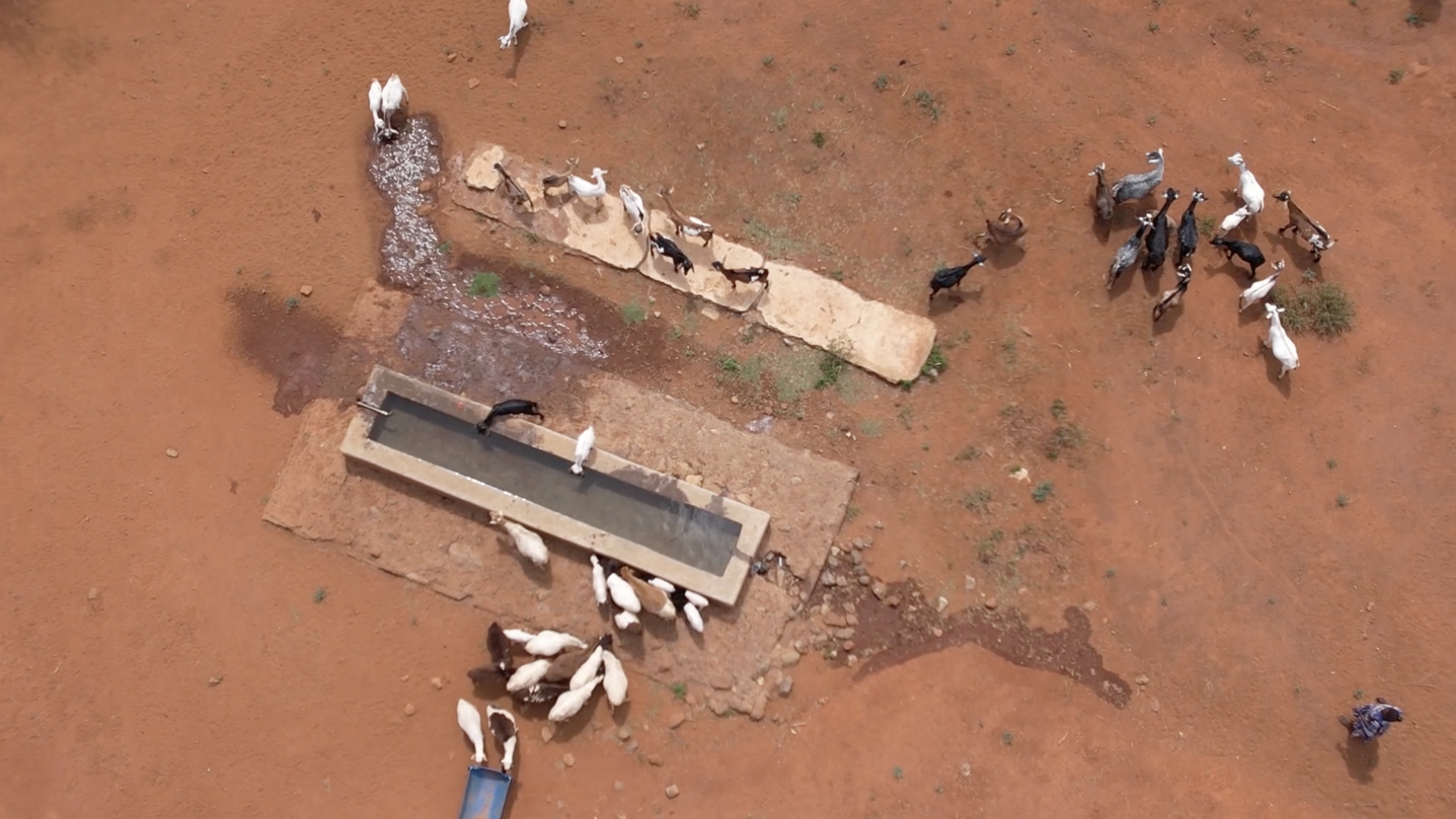
Double shock: El Niño and rising global commodity prices in Kenya
A model shows risks of rising poverty and undernourishment. Third in a series.
-
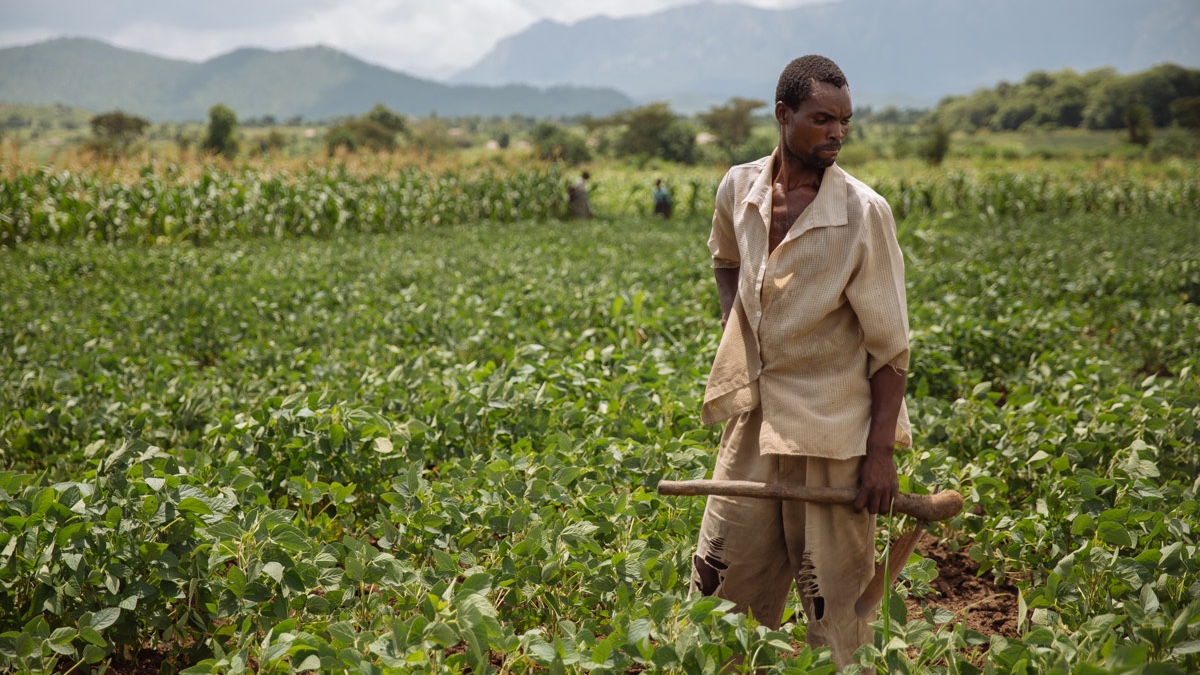
El Niño is coming and the time for Malawi to prepare is running short
Building resilience to ride out possible drought.
-
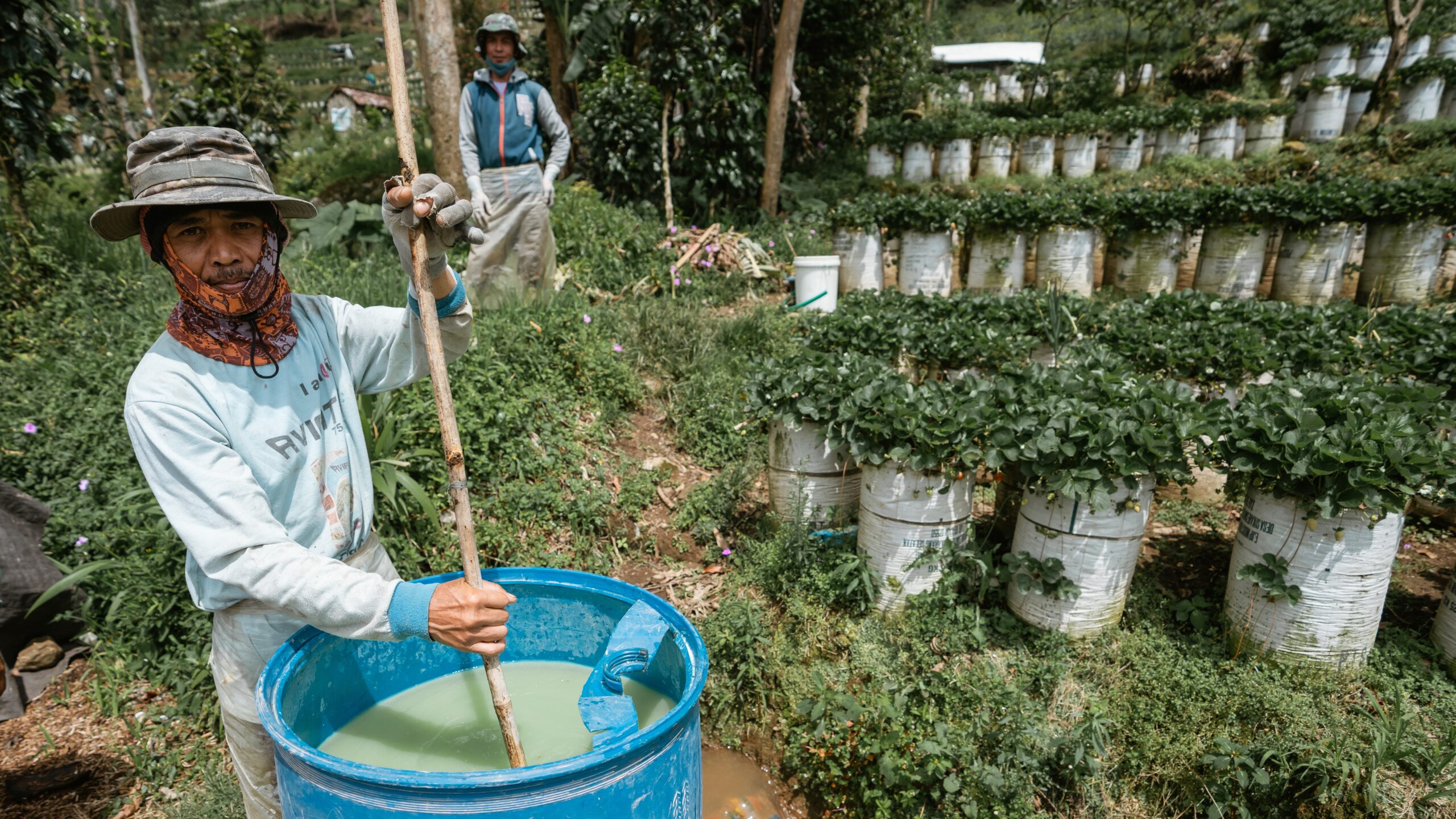
How are fertilizer markets coping with the continued closure of the Strait of Hormuz?
A mixed picture for global prices and supplies.
-

El Niño and rising fertilizer costs: How vulnerable is Malawi in 2027?
Impacts of overlapping shocks.
-
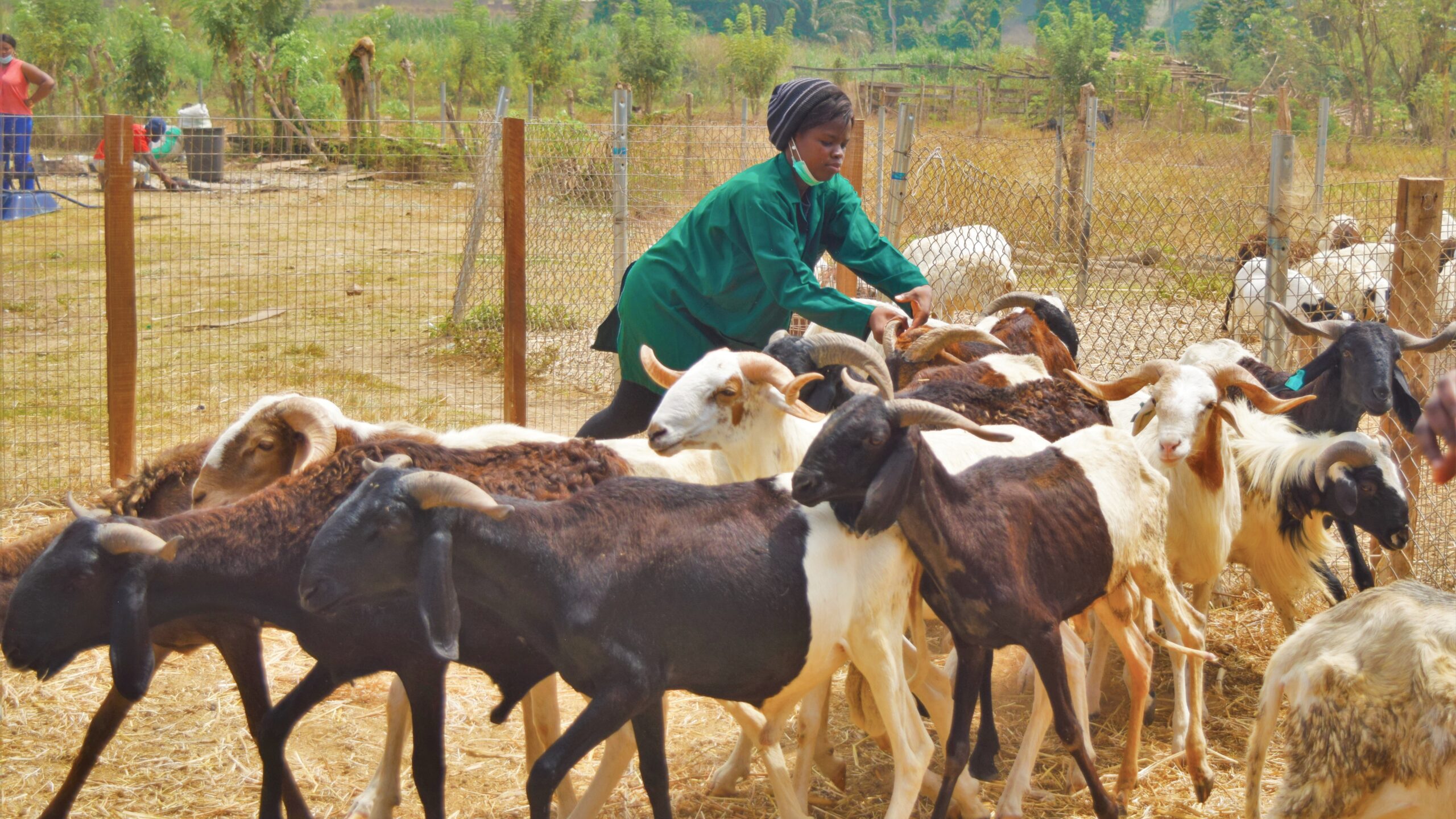
Beyond the violence: How farmer-herder conflict is reshaping rural livelihoods in the Sahel
Shifting behavior and economic attitudes.
-

Sudan’s conflict at three years: Evidence for recovery, resilience, and rebuilding
The need for comprehensive solutions.